|
It took only a second for my phone to be snatched from the mount on my bike handlebars at an intersection in central London near the end of April. And less than four weeks for it to travel more than 9,000 kilometres and pop up on the streets of Shenzhen, China. My iPhone 17 Pro Max, which sells for about £1,100 ($2,000) in London, was swept up by a sophisticated network of criminals which London's Metropolitan Police Service (MET) says includes street-level thieves who steal the devices and "handlers" who traffick tens of thousands of the phones to the black market every year. "The phones are a huge commodity. People aren't just stealing them to get 20 pounds or something," said Detective Superintendent Gareth Gilbert, who leads police action against phone theft in the Southwark area of London. "There's a wealth of data on those phones," he said. "And also the resale value." Based on the number of phone thefts police say happened in London in 2025, that would mean a phone was stolen every seven to eight minutes. The city's mayor, Sadiq Khan, recently committed £4.5 million pounds ($8 million) to try to combat what he described as a scourge fuelled by criminals who are making millions repurposing the stolen phones and selling them abroad. 2 men on a mopedFrequently, the snatchers are clad in black, their faces obscured by masks and balaclavas. They are usually riding e-bikes or mopeds — in my case it was two men on a moped. I hardly ever cycle to work in London, but on April 22 with a tube strike underway and pleasant spring weather in the forecast, I decided to bike to CBC's office near Oxford Circus. At around 9:15 p.m., when I headed home for the day, I had my phone clipped into a mount on my handlebars so I could consult the map, because as a newbie to the cycle commute, I wanted a quiet route out of central London. When I stopped at an intersection near Regent's Park, just a few blocks from the CBC office, two men on a moped came up from behind me, then pulled out in front. The moped briefly stopped at the light, before abruptly turning in front of an SUV in the next lane. I remember thinking at the time it was quite a reckless manoeuvre, and also slightly ironic as the passenger on the moped was wearing a neon safety vest. The next thing I knew, the moped was beside me and the man in the vest grabbed my bike and wrestled the phone out of the mount. It was gone before I even fully realized it was being stolen.
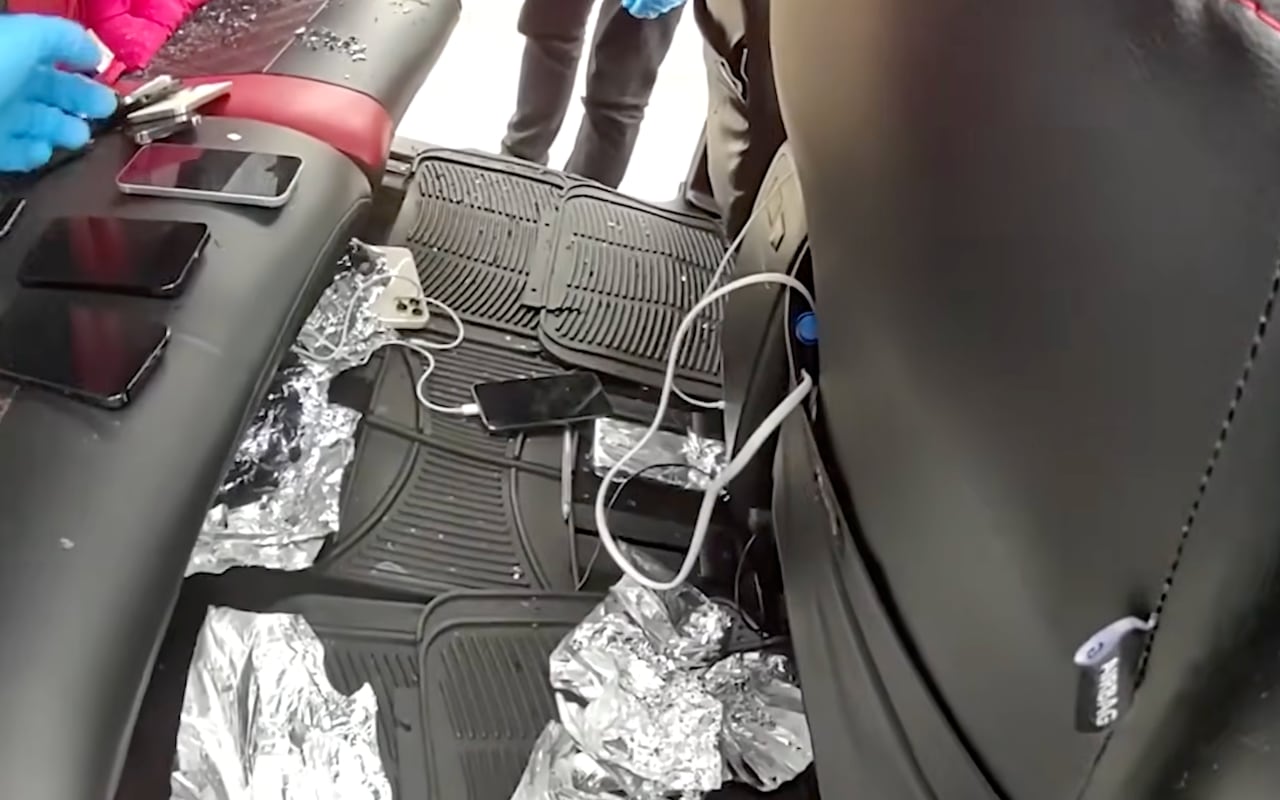
'A very slick network'According to the MET, more than 70,000 phones were stolen in the U.K. capital in 2025, which officials see as a positive trend, as it was more than 80,000 the year prior. Officials say the thieves include students who are being exploited and promised to earn the equivalent of $400 or $500 a phone. Police point to additional enforcement tools including drones, live facial recognition and e-bikes of their own to help catch criminals. But only a very small fraction of the phones are recovered. "It's a very slick network and within 24 hours or 48 hours, it potentially is packaged in foil and gone," said Gilbert in an interview with CBC News. Gilbert says phone thieves frequently use aluminum foil as a crude stand-in for a Faraday bag, which is usually made of multiple metallic layers to prevent electronic devices from sending and receiving signals that allow the phone to be tracked.
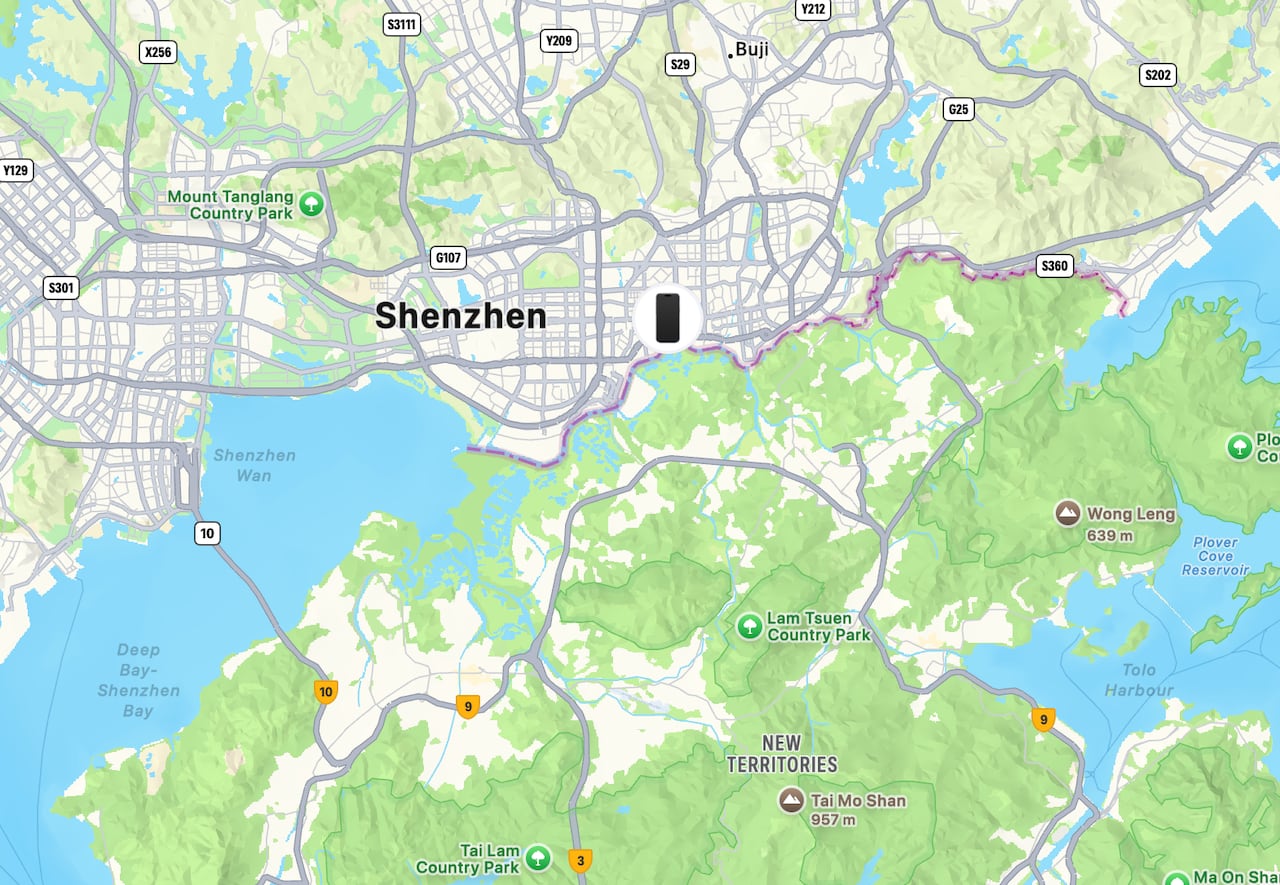
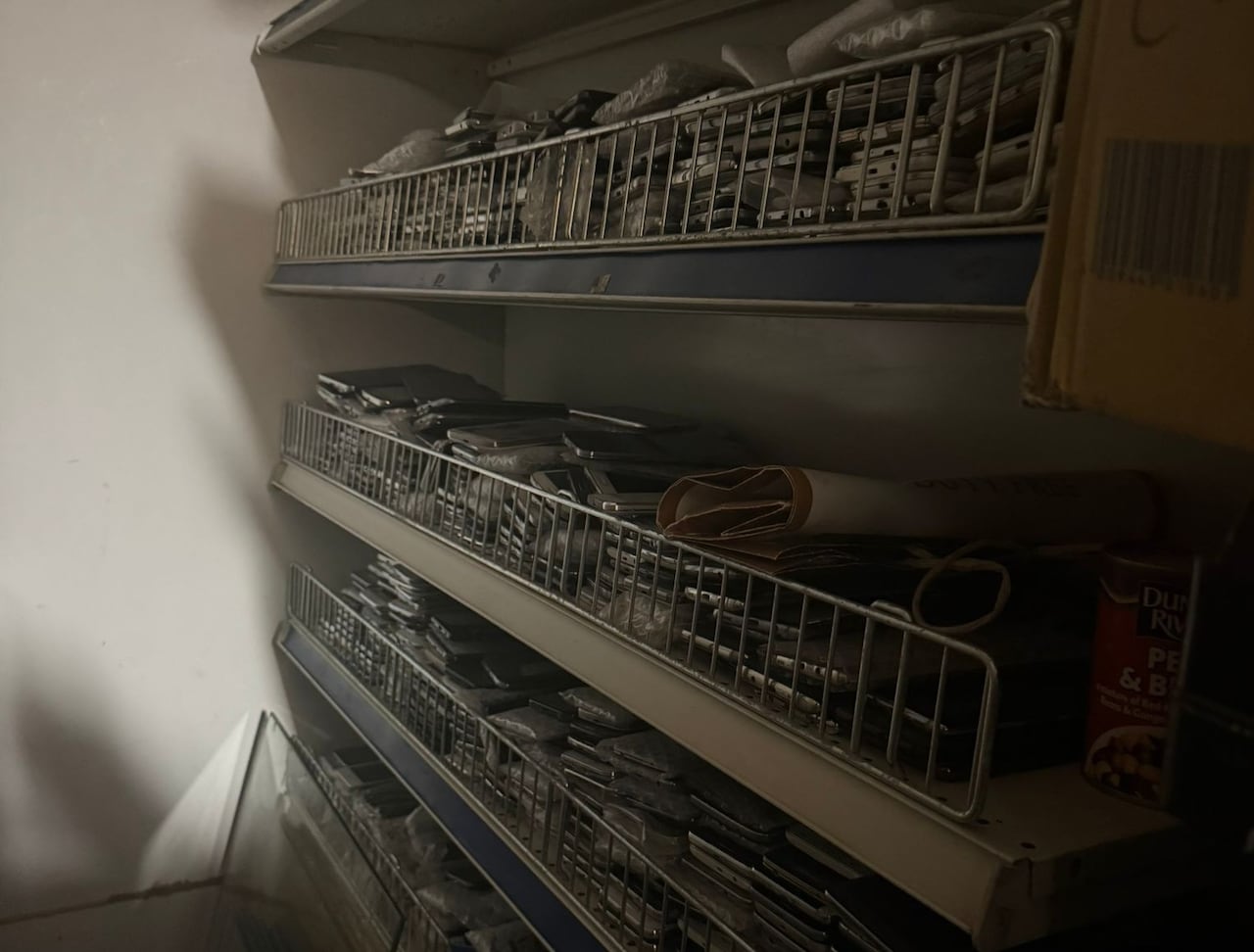
The aluminum foil can have a similar effect, and during one investigation, police said they found suspects buying more than two kilometres of the foil at Costco. Both iPhones and Android devices come with a tracking service. In Apple's case, it's called Find My Device and it can use Wi-Fi, cellular signals and Bluetooth networks to locate a phone. After mine was stolen, I could see that it was taken to a neighbourhood in the north part of the city. A few days later, it moved further east. When I checked Find My Device on my new phone on May 18, I could see my old phone's last known location was a street in Shenzhen, China. From the U.K. to ChinaChina is a top destination for stolen phones. The ones that are unlocked are resold, and those that can't be used are disassembled and sold for parts. In December 2024, the MET launched an investigation after a box containing around 1,000 phones destined for Hong Kong was found at a warehouse in Heathrow. The discovery kicked off what the police called "Operation Echosteep," which resulted in the seizure of more than 10,000 stolen iPhones and 14 arrests. Police believe the investigation unearthed the U.K.'s largest mobile phone smuggling network and that the criminal ring was responsible for trafficking up to 40,000 stolen mobile phones from the U.K. to China in 2024 and 2025.
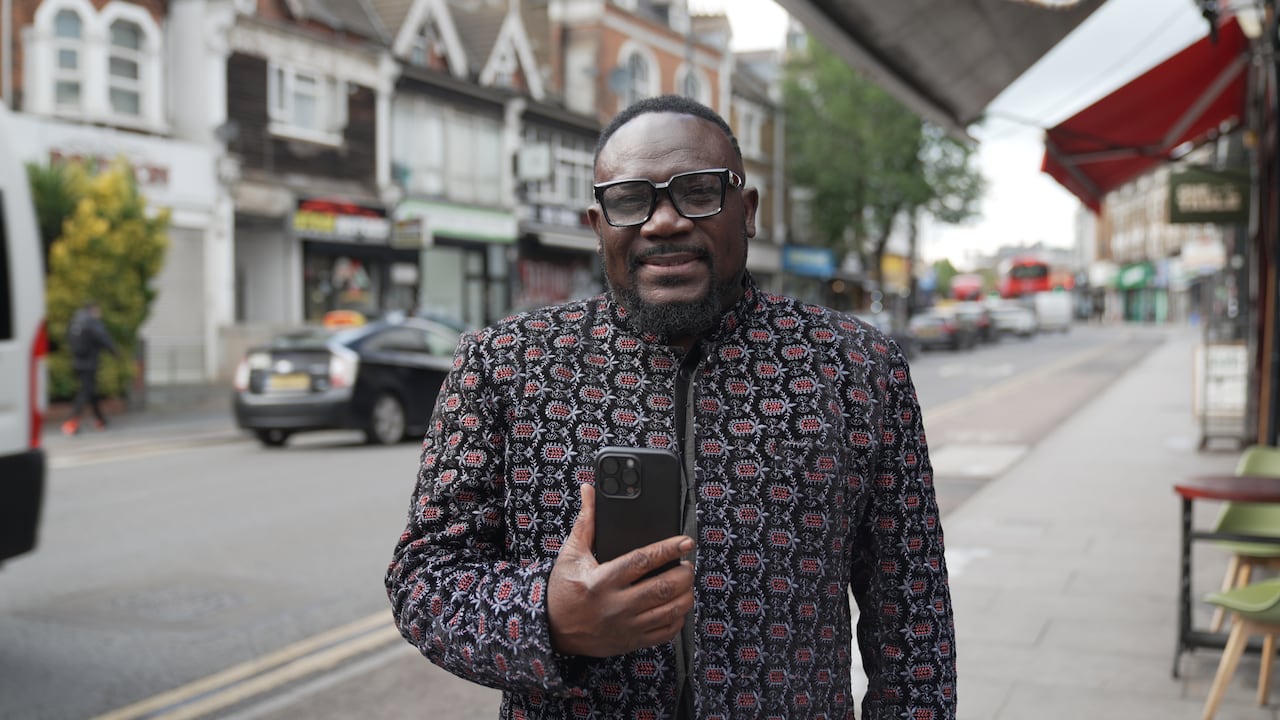
When police announced the arrests, they detailed their investigation by releasing videos, images and a behind-the-scenes piece. The public campaign could be seen as an effort to try to tame some of the public criticism that police weren't doing enough to investigate phone theft. A livestreamed theftLast fall, Isaac Anderson, a concierge and evangelical pastor, was livestreaming a prayer while out for a walk at about 7 a.m. in the Walthamstow area of London, when his phone was snatched by a young man on an e-bike. As the livestream continued, the panicked thief, who was working with another man on an e-bike, frantically tried to end the Facebook video as they made their getaway. Anderson fell hard on his stomach while trying to give chase and ended up in the hospital with internal bleeding. He says he reported his phone stolen and police told him they would call him back. "I thought the police will respond … but I didn't hear anything," he said. "I could say they disappointed me because I thought they could track it."
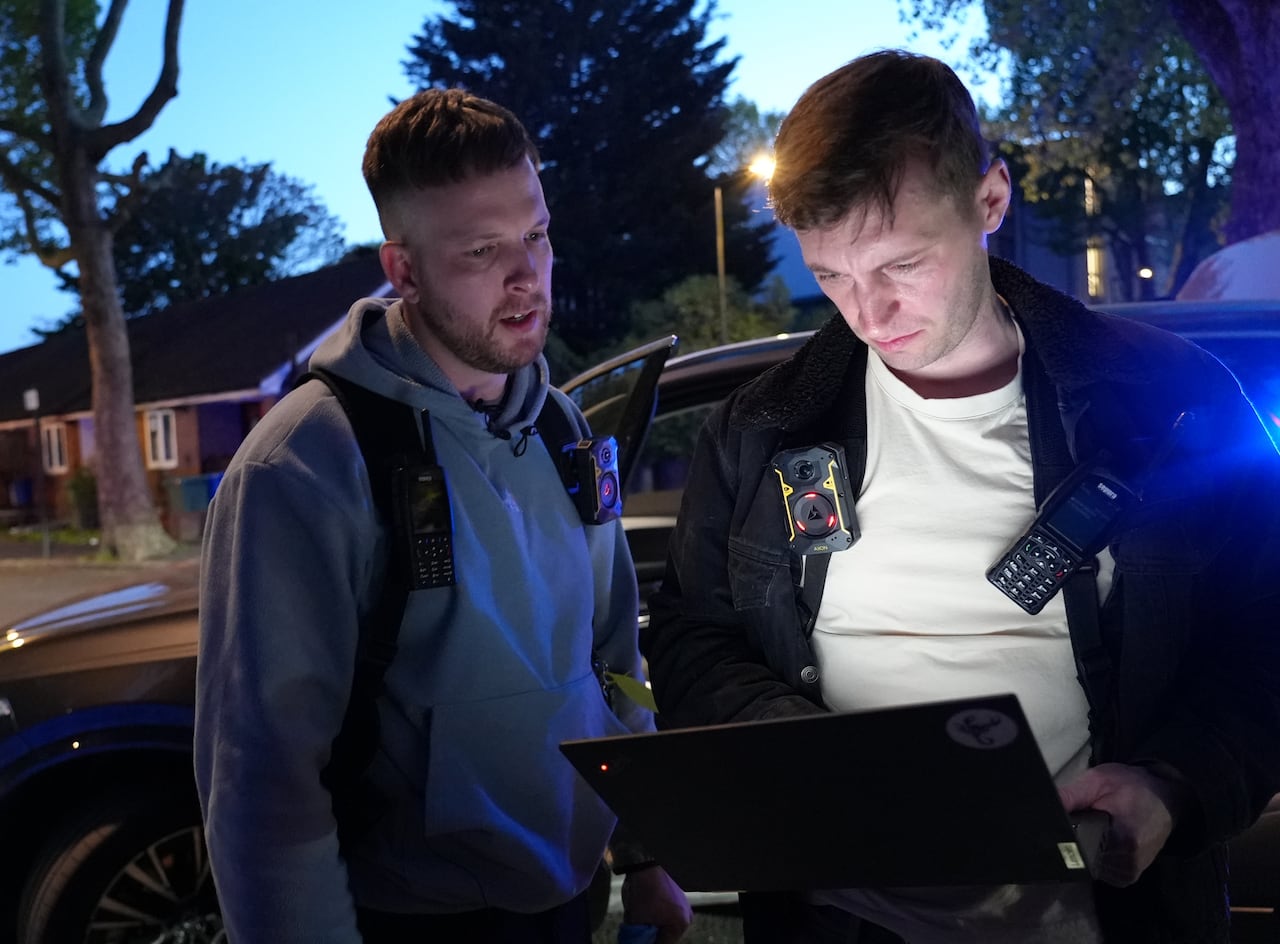
Police officials have been calling on tech companies to make phones easier to block and trace. Among the changes, they want companies like Apple and Google to set up a system to block the International Mobile Equipment Identity number(IMEI) — a unique 15 digit serial number that each phone has — if it is reported stolen. Right now mobile companies in the U.K. can use the IMEI to block a stolen phone from being connected to a cellular network, but that isn’t the case in all countries. The police also want the tech companies to be able to block stolen phones from being connected to cloud services, and the MET has given the companies until June 1 to take action, or it will call on the British government to enact laws. Police target 'crime hotspots'After I reported my iPhone stolen, I had several conversations with the police, including some that took place during a ride-along, which had been arranged before my phone was taken. On April 24, CBC and other news organizations were given access to a targeted police operation that saw teams of officers, including some on motorbikes, deployed to what police consider "crime hotspots" south of the Thames River, where phone thieves are known to operate Over a 12 hour period, police say they made 15 arrests for robbery, theft and drugs, but while CBC was in a car with two of the officers, the team was not able to catch any of the phone snatchers even though calls were coming in through the radio.
The thieves are often on agile high-powered bikes that are able to zip through London's clogged streets, mounting sidewalks in a way that officers can't because of the risk posed to the public. "I feel like when we have our most successes is when [the criminals] become greedy, and they want to do 15 or 20 phone snatches at a time," said Sgt. Rob Dewing. "We need a lot of resources put into it to even stand a chance really." 来源链接:https://www.cbc.ca/news/world/phone-london-snatch-9.7204104 |