|
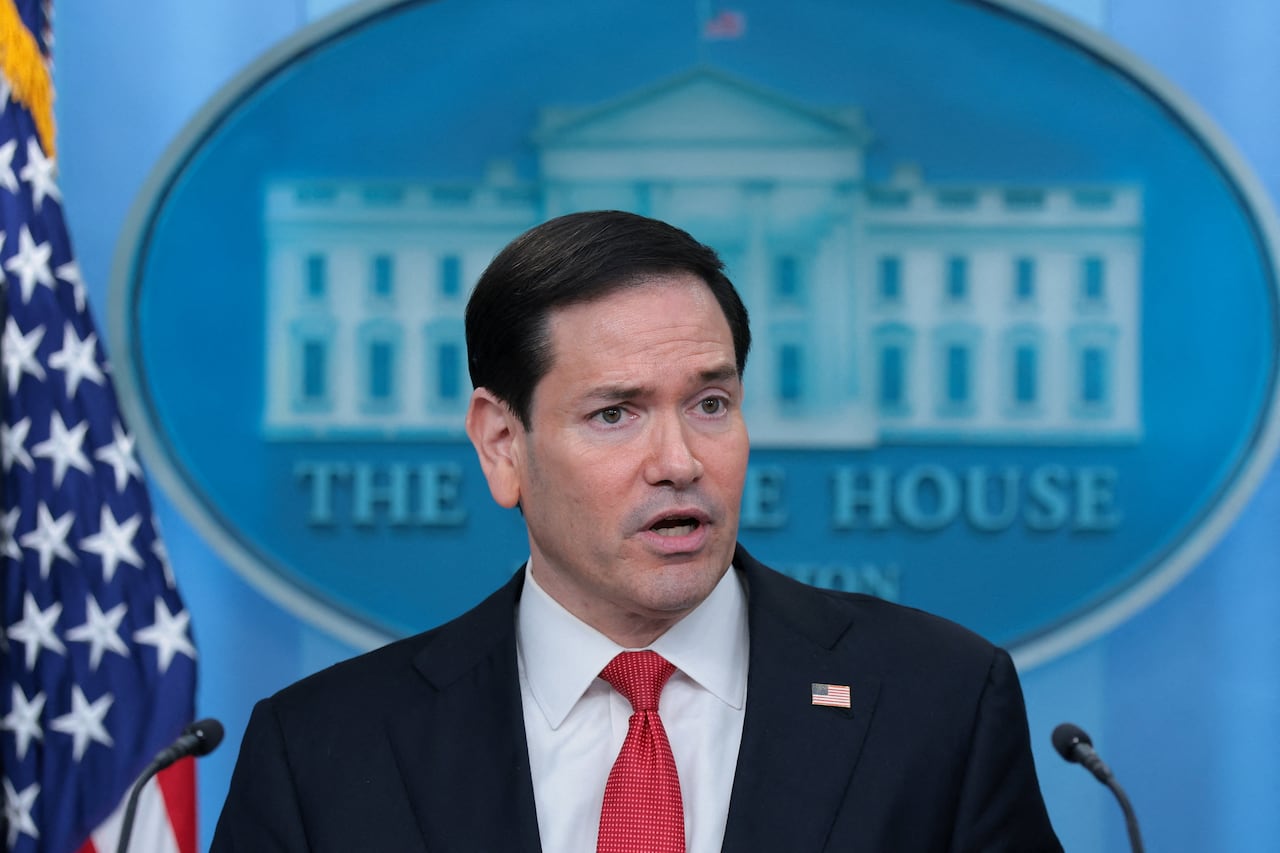
U.S. President Donald Trump says that he has paused the U.S. effort to guide stranded vessels out of the Strait of Hormuz in order to finalize an Iran deal. Trump announced the decision in a social media post on Tuesday evening, saying he was pausing it for a short period to allow space for U.S. efforts to finalize a settlement with Iran. Trump in the post said he was making the move based "on the request of Pakistan and other Countries, the tremendous Military Success that we have had during the Campaign against the Country of Iran and, additionally, the fact that Great Progress has been made toward a Complete and Final Agreement with Representatives of Iran." He added that the U.S. blockade of Iran's ports would remain in place. "We have mutually agreed that, while the Blockade will remain in full force and effect, Project Freedom (The Movement of Ships through the Strait of Hormuz) will be paused for a short period of time to see whether or not the Agreement can be finalized and signed," he wrote. Objectives achieved, Rubio saysEarlier Tuesday, U.S. Secretary of State Marco Rubio argued that the United States has achieved its objectives in its military campaign against Iran, despite not yet securing Tehran's enriched uranium, and that the effort to ensure safe passage for oil transit in the Strait of Hormuz was a separate, smaller, defensive operation. His comments about the short-lived U.S. effort appeared aimed at blunting criticism from members of Congress who argue that Trump has effectively violated provisions of the War Powers Resolution, a 1973 law that allows the president 60 days to wage military action before ending it.
The Iran war began with airstrikes launched by Israel and the United States on Feb. 28. Trump formally notified Congress of the conflict 48 hours later, triggering a 60-day deadline, which was last Friday, to end the war or make the case to Congress for extending it. The White House got around the requirement by declaring on Friday that hostilities under Operation Epic Fury had terminated, and Rubio amplified that argument today. "The operation is over. Epic Fury — as the president notified Congress — we're done with that stage of it," he said. "We're now onto this Project of Freedom." 'Defensive operation'Rubio insisted the U.S. was taking only defensive action in enforcing its blockade of Iranian ports. "We are only responding if attacked first. This is a defensive operation," Rubio said. "If no shots are fired at these ships and no shots are fired at us, we're not firing shots. But if we're fired on we will respond." Until Israel and the U.S. attacked Iran, the Strait of Hormuz was fully open. Only two vessels are known to have passed through the strait with U.S. military guidance, both of them American-flagged merchant ships. 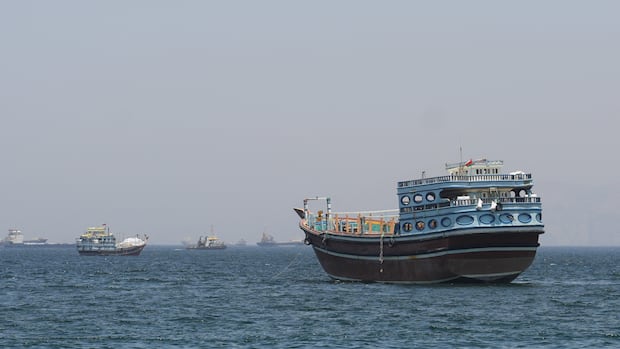 U.A.E. still under attackThe United Arab Emirates said it was under attack from Iranian missiles and drones again on Tuesday, even as Washington said a shaky ceasefire was intact. Rubio said it was time for Tehran to "accept the reality of the situation," adding that U.S. envoys Steve Witkoff and Jared Kushner were continuing to explore a diplomatic solution. That solution had to address any nuclear material that Iran still had buried "deep somewhere," Rubio said.
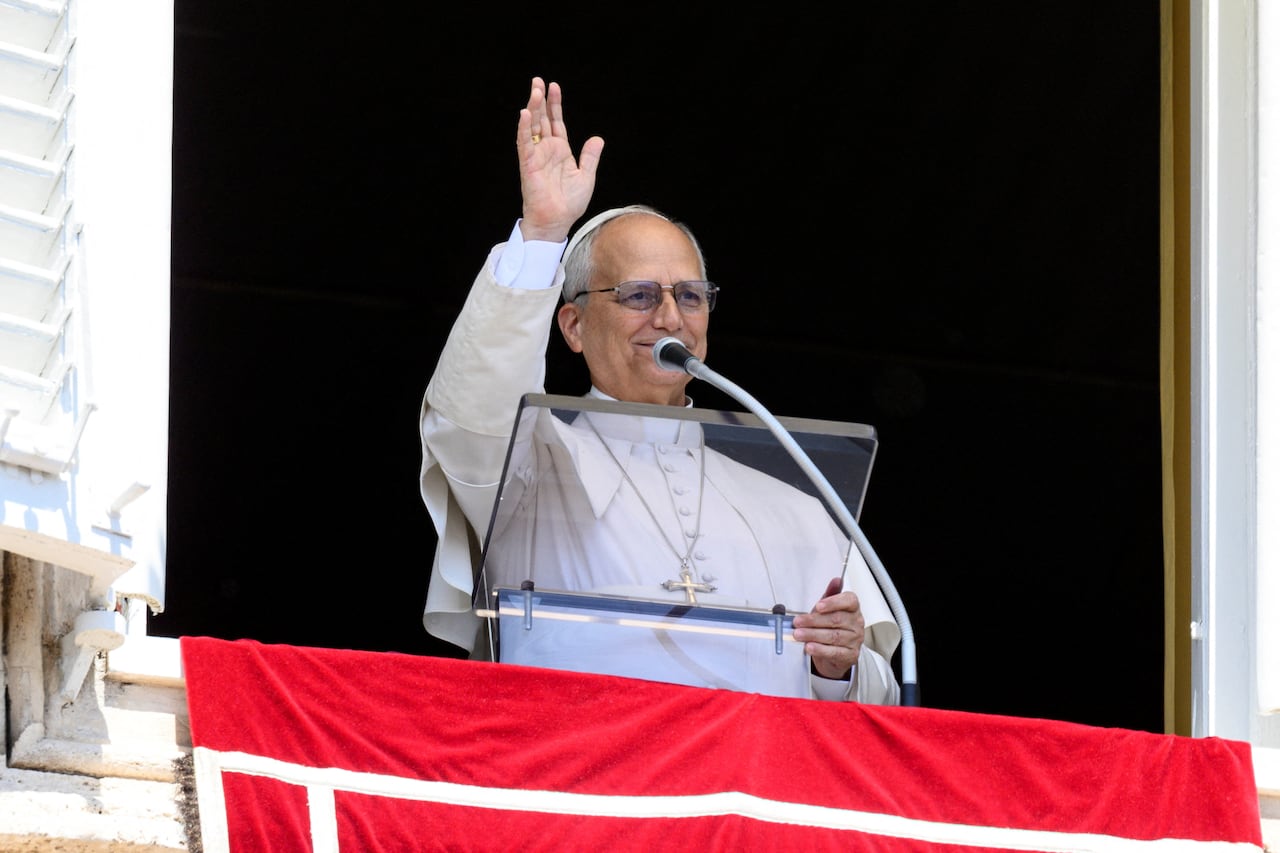
"The president's been clear that part of the negotiation process has to be not just the enrichment, but what happens to this material that's buried deep somewhere that they still have access to if they ever wanted to dig it out," he said. Rubio declined to provide details on what progress had been made and said the actual agreement would not be written out in one day. 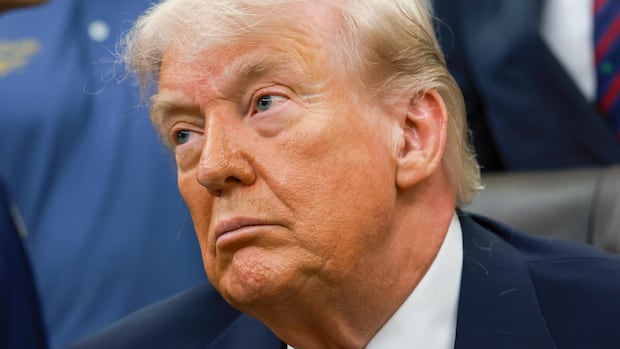 Rubio to meet with Pope LeoHe also downplayed the rift between Trump and Pope Leo over Iran ahead of a key visit the top U.S. diplomat will make to Vatican City this week. Rubio said he expects to have a "frank" meeting with the Pope Thursday. Trump has repeatedly disparaged the first U.S.-born pope in recent weeks, drawing a backlash from Christian leaders across the political spectrum. On Monday, Trump told right-wing radio talk show host Hugh Hewitt that "the Pope would rather talk about the fact that it's OK for Iran to have a nuclear weapon, and I don't think that's very good." Leo has never said Iran should have nuclear weapons, but he has opposed the war, which Trump says is aimed at ending Iran's nuclear program.
Responding to Trump's attack, Leo said he wanted to spread the Christian message by speaking about peace but that people were free to criticize him. "The mission of the Church is to preach the Gospel, to preach peace," he said. "If someone wants to criticize me for preaching the Gospel ... I hope simply to be listened to because of the value of God's words." Leo also firmly rejected the idea that he supported nuclear weapons, which the Catholic Church teaches are immoral. "The Church has spoken out for years against all nuclear arms, on that there is no doubt," he said. With files from Reuters 来源链接:https://www.cbc.ca/news/world/rubio-hegseth-iran-strait-hormuz-blockade-9.7188754 |